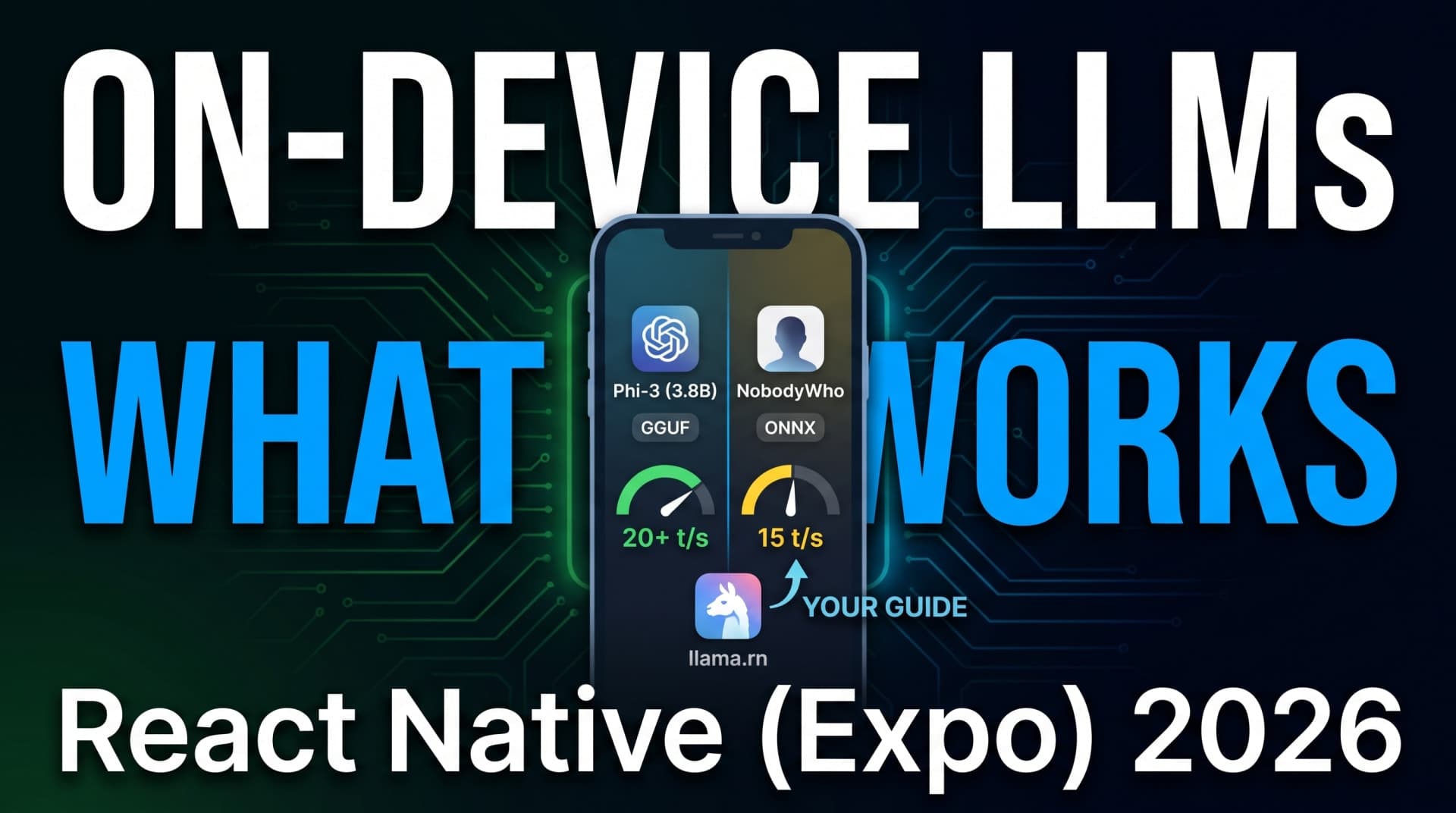

Running LLMs On-Device in React Native (Expo): What Actually Works in 2026
On-device AI in React Native is production-ready in 2026 for 1-4B models. Here is which libraries work in Expo, what phones can run, and when to stay in the cloud.
Notes on building AI products — agents, RAG, AI mobile apps, MVPs, and what it really costs to ship them

On-device AI in React Native is production-ready in 2026 for 1-4B models. Here is which libraries work in Expo, what phones can run, and when to stay in the cloud.

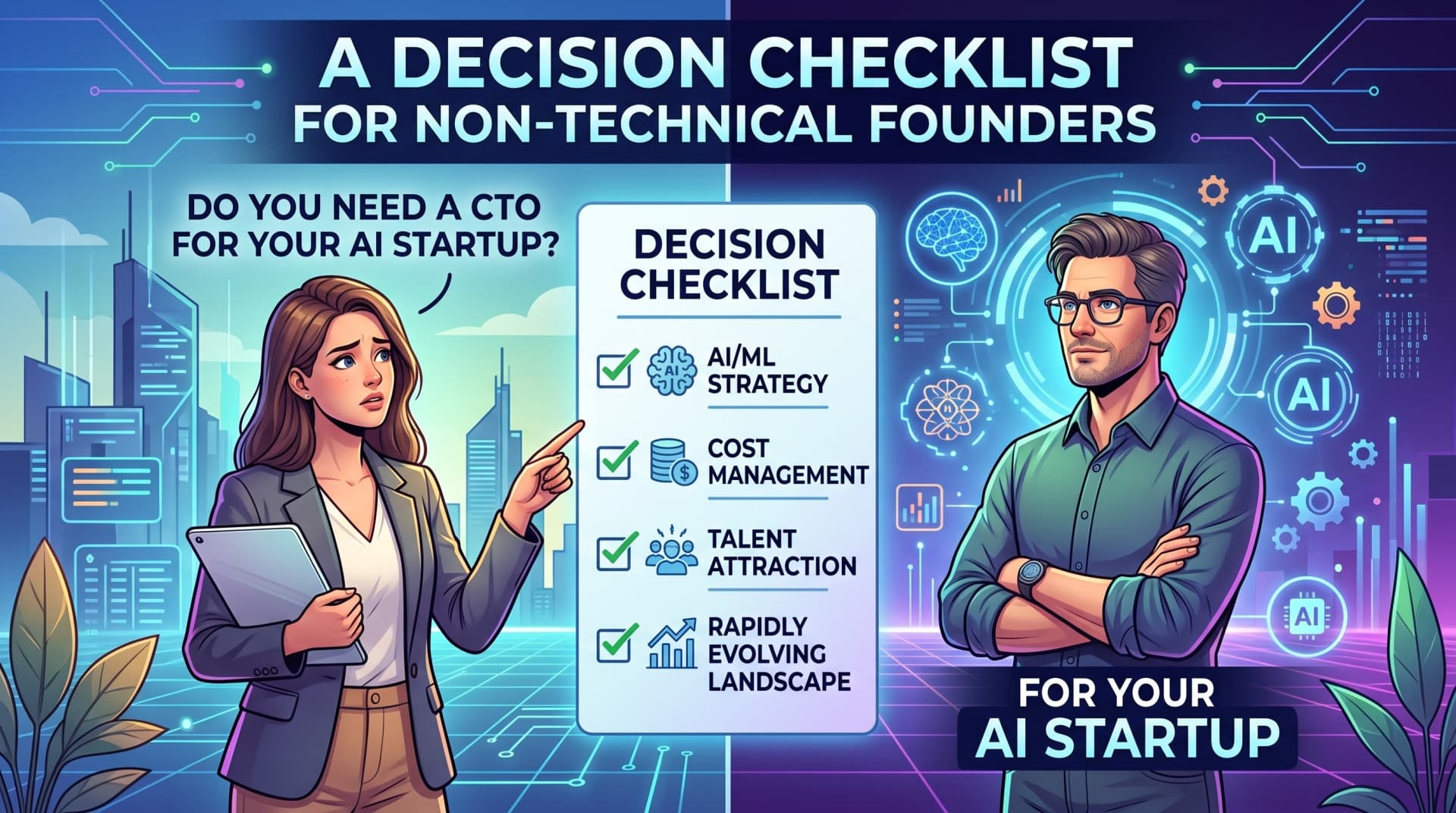
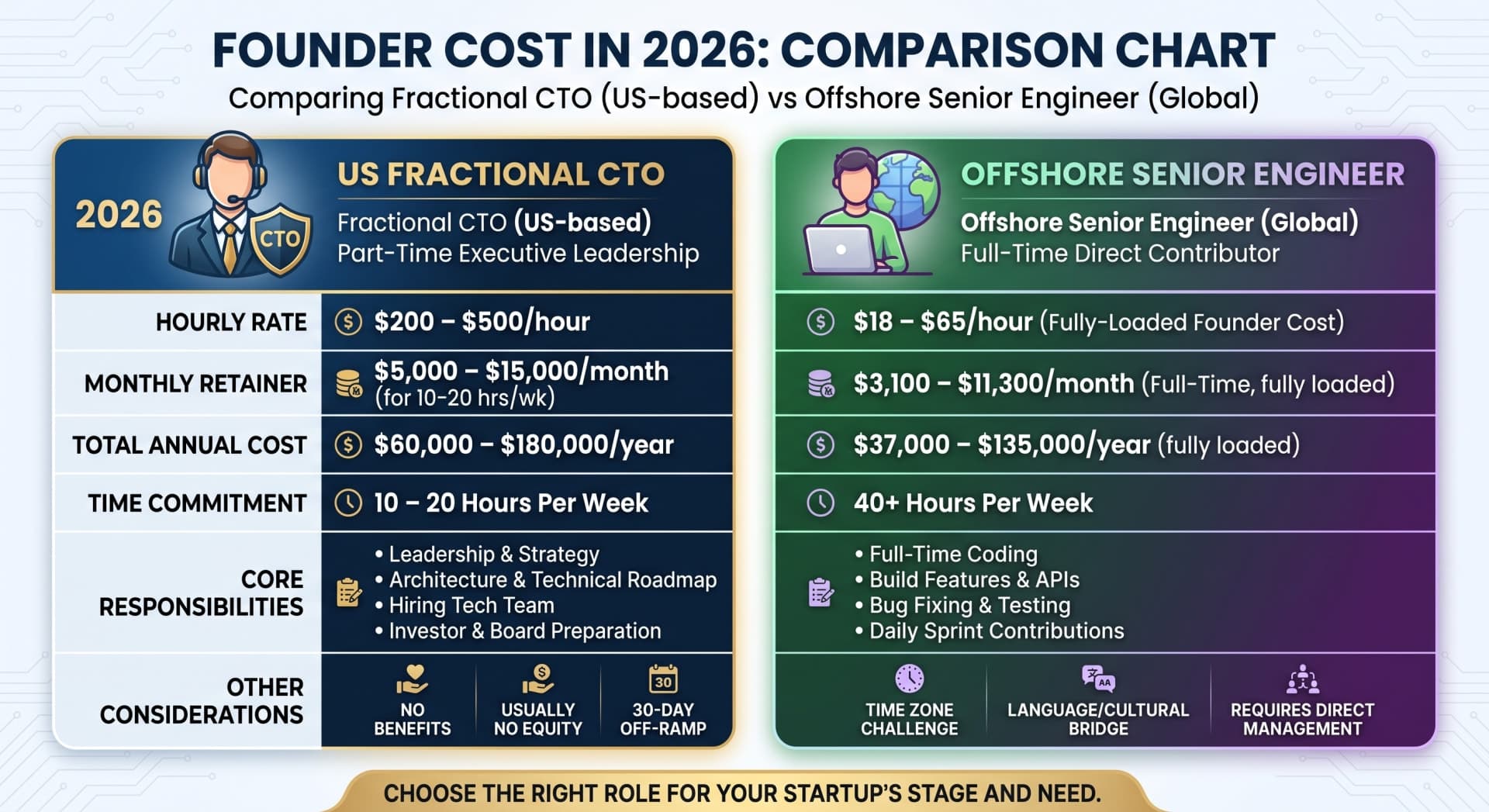
Most pre-seed AI startups do not need a full-time CTO. They need someone senior to make five decisions correctly. Here is how to tell which one you are.

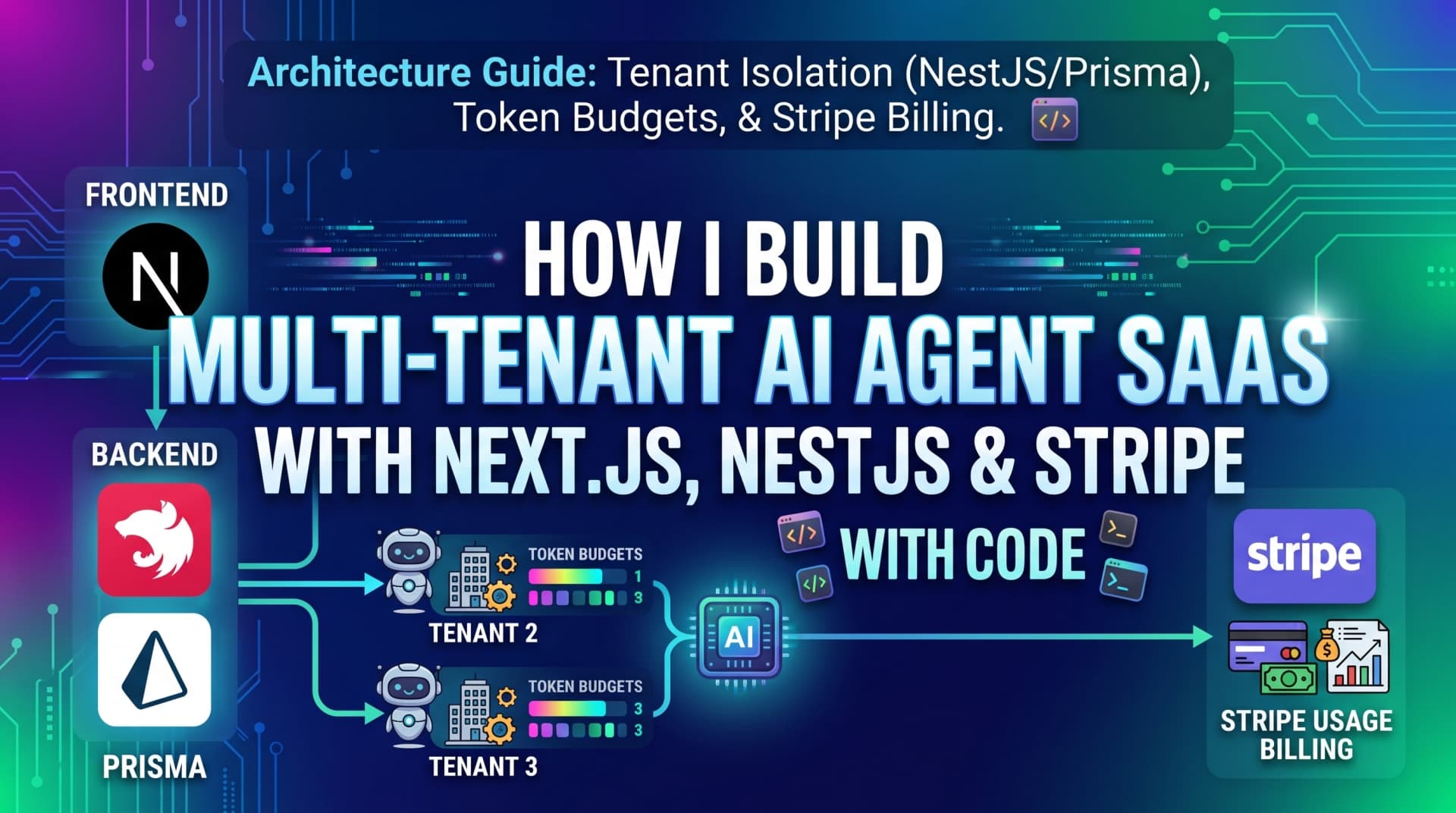
The exact architecture I use for multi-tenant AI agent SaaS: tenant isolation in NestJS and Prisma, per-tenant token budgets, and Stripe usage billing. With code.

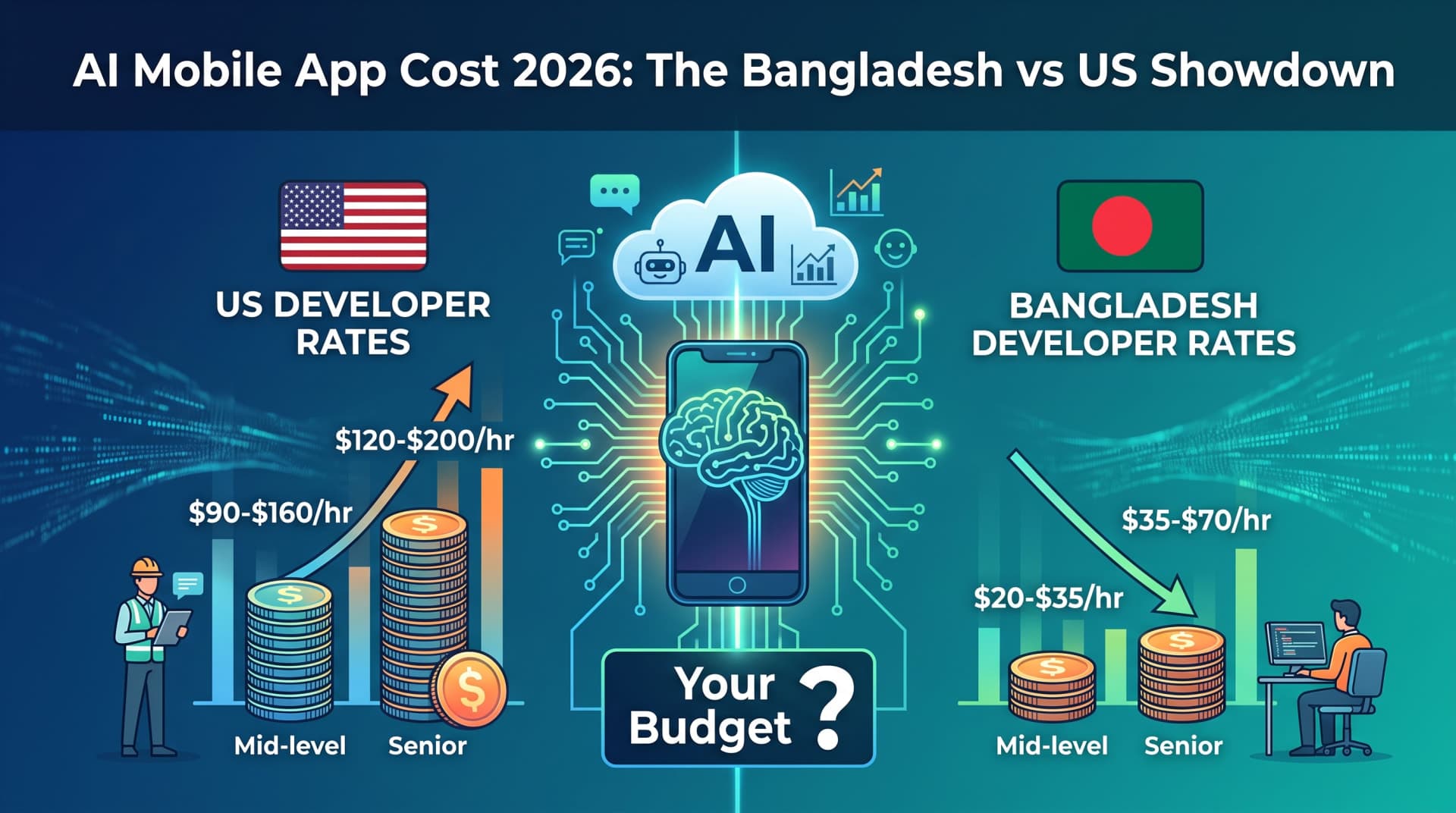
An AI-powered React Native app costs $4k-15k from a senior Bangladeshi developer and $40k-150k from a US agency in 2026. Here is where the money goes.

US fractional CTOs bill $5k-15k a month for 10-20 hours a week. A senior offshore engineer doing the same job costs a fraction of that. Here is the real breakdown.

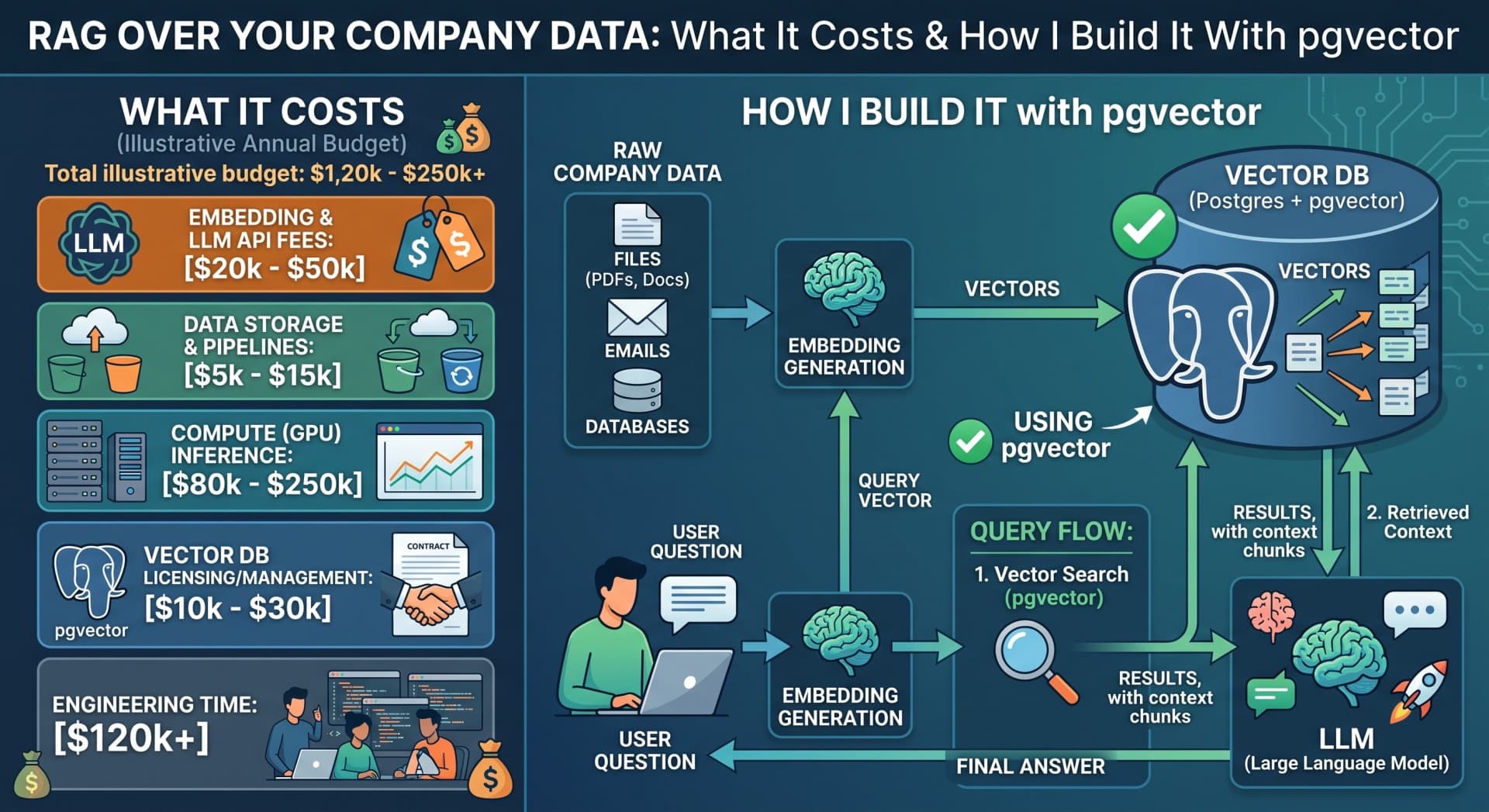
What a RAG chatbot over company documents costs to build and run in 2026, and the pgvector plus NestJS architecture I use for hybrid search, permissions, citations, and evals.

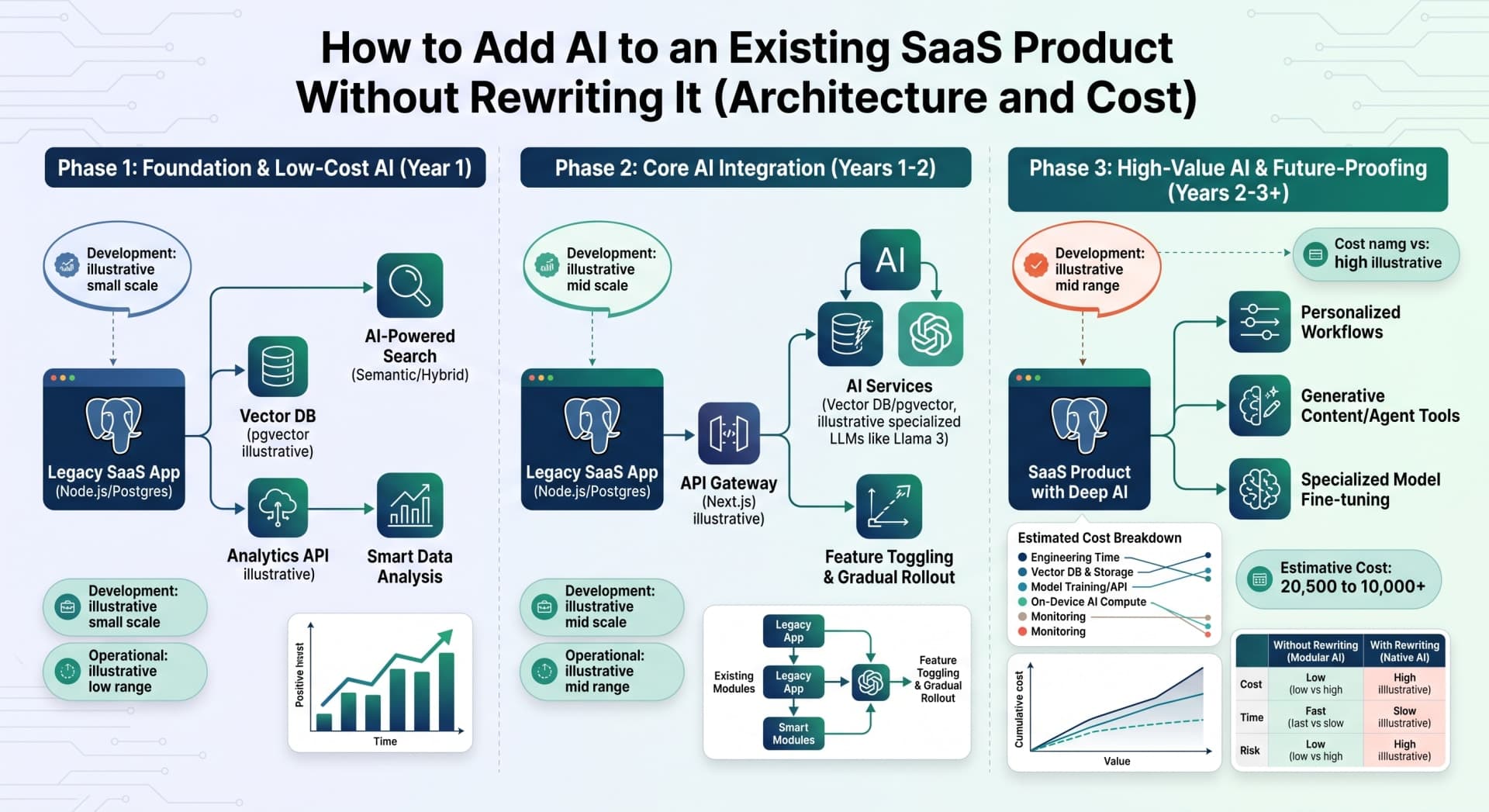
The sidecar architecture I use to add LLM features to a live SaaS without touching the core, the three integration patterns that cover most products, and what it costs to build and run.
Real 2026 numbers for AI agent development: what a production agent with tool calling costs from a US agency vs a senior offshore engineer, and the monthly LLM bill to expect.